Posts Tagged: Ella Fitzgerald

The Incomparable Sarah Vaughan

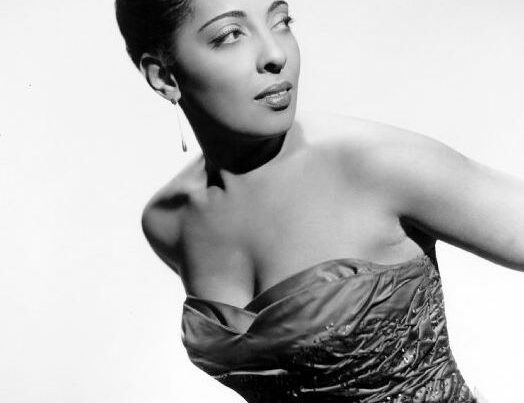
Sarah Vaughan is one of the big three of classic female jazz singers, alongside Ella Fitzgerald and Billie Holiday. Here is how the bio of “Sassy” starts at the site of Ken Burns’ PBS series Jazz:

Sarah Vaughan sang in the choir of Mount Zion Baptist Church, Newark, as a child, where at the age of 12 she became organist. In October 1942, she won an amateur contest at the Apollo Theatre; shortly afterwards, in April 1943, she joined Earl Hines’ big band as second pianist and singer to Hines and Billy Eckstine. Eckstine formed his own bop-oriented big band early in 1944, and Vaughan joined him a few months later, making her first recording with his orchestra on December 31. She left Eckstine after about a year, and thereafter, except for a brief stay in John Kirby’s group in winter 1945-6, she worked only as a soloist. (Continue Reading…)

facebooktwittergoogle_plusredditpinterestlinkedinmailby feather

Ray Brown: Lady Be Good


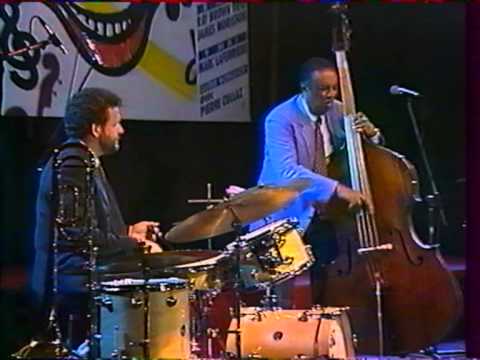
The beginning of NPR’s bio of bassist Ray Brown does a good job of quickly defining who he was — and the company he kept:

Grammy Award-winning double-bassist Ray Brown was a leader in defining the modern jazz rhythm section — in addition to being a first-rate soloist. His unique dynamic and innate sense of swing graced performances by Dizzy Gillespie, Ella Fitzgerald, Duke Ellington, Oscar Peterson and countless others.

Bebop was great music, but it could be   intellectual and  inaccessible. Brown’s allmusic bio, which is on the same page as Brown’s discography, hints at a player who wasn’t as challenging to listeners as many who played in his era:

The huge and comfortable sound of Ray Brown’s bass was a welcome feature on bop-oriented sessions for over a half-century.

Brown was married to Ella Fitzgerald from 1947 to 1952. This is from his obituary in The New York Times, which ran on July 4, 2002:

Mr. Brown won numerous critics’ and listeners’ popularity polls, and was regularly included among the half-dozen or so greatest of all jazz bassists, along with Oscar Pettiford, Charles Mingus, Milt Hinton, and Jimmy Blanton, whose performances with Duke Ellington he counted among his greatest influences.

Here are Five O’Clock Whistle and Things Ain’t What They Used to BeKevin Mahogany’s vocal on Yardbird Suite hints at rap and hip-hop styles that still were decades in the future.

facebooktwittergoogle_plusredditpinterestlinkedinmailby feather

Songs for a Hot Summer


Martha and the Vandellas sing Heatwave. Here are other summer- and heat-related songs. Send me links to those I missed:

The Heat is On: Glenn Frey (From Beverly Hills Cop)

Summertime: Janis Joplin. It’s probably safe to say that this is not exactly what George and Ira had in mind.

Summer in the CityLovin Spoonful

Hot ‘Lanta: The Allman Brothers Band

Hot Fun in the Summertime: Sly and the Family Stone

Too Darn Hot: Ella Fitzgerld

Summertime Blues: Eddie Cochran. Not the version by those new guys.

In the Summertime: Mongo Jerry

Summer Song: Joe Satriani and John Petrucci

facebooktwittergoogle_plusredditpinterestlinkedinmailby feather

Ella Fitzgerald: The Man I Love

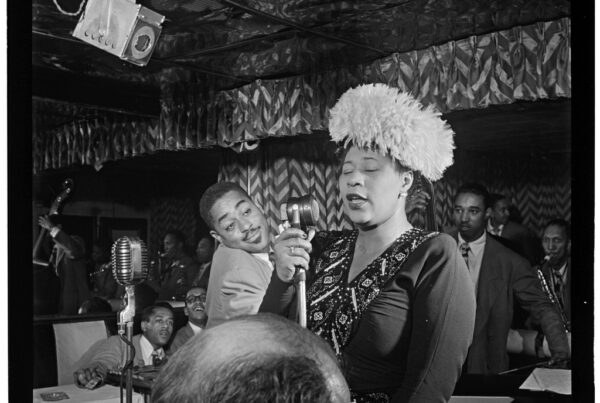
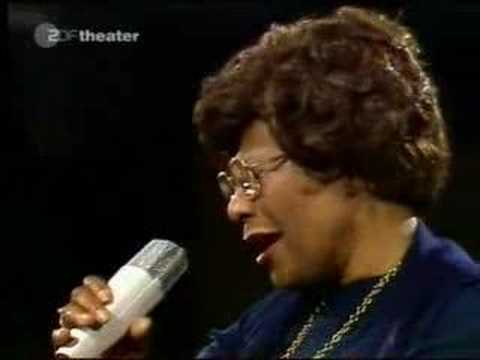
Unlike some other jazz greats, there is a tremendous amount of great Ella Fitzgerald material on YouTube and other video sites. None are better than this beautiful version of The Man I Love, a standard by George and Ira Gershwin. Tommy Flanagan is the piano player. The band is great, but the star of course is Ella.

Also check out Fitzgerald’s early hit A-Tisket A-Tasket. TDMB site already has linked to her powerful version of Mack the Knife.

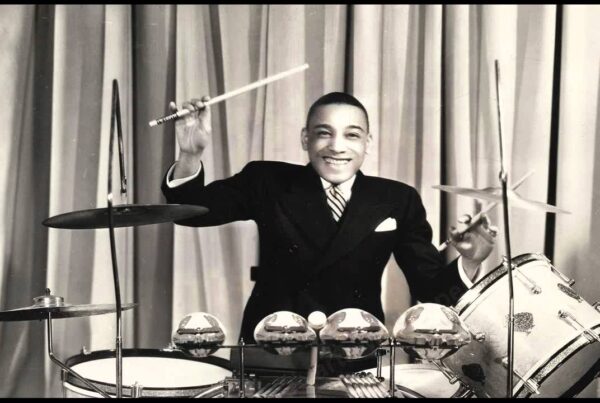
Two major contributors to Fitzgerald’s career are producer and impresario Norman Granz and drummer Chick Webb, who discovered her.

Here is Fitzgerald’s bio and a discography.

facebooktwittergoogle_plusredditpinterestlinkedinmailby feather

Ella Fitzgerald: Mack the Knife

Mack the Knife is a beloved jazz standard. Besides Fitzgerald, Louis Armstrong, Frank Sinatra and Bobby Darin are heavyweights who recorded it. Here is a fabulous version by Armstrong.

The song, which is from Kurt Weill’s Threepenny Operais not very nice. Weill’s wife, Lotte Lenya, sings it here, probably in the 1950s. She’s not much of a vocalist in English, but it’s a fascinating clip. (Here she sings it in German.)

The commentary before she sings describes Berlin as a degenerate pit in which Nazism grew. Lenya leaves no doubt who this much-loved song really is about at the end.

Here are some lyrics from the song. Very pleasant stuff:

Jenny Towler
Poor wee Jenny,
There they found her
Knife in breast.

Mackie’s wandering
On the West Pier
Hoping only
For the best.

Mind that fire burnt
All through Soho.
Seven kids dead
One old flower.

***

And those sweet babes
Under sixteen
Story goes that
Black and blue

For the price of
One good screwing
Mackie, Mackie
How could you?

It goes on like that. It’s also unclear why the murderer, Macheath, is not German. I have no interest in seeing a production or reading it, so I guess I’ll never know.

At the end of the day, we have a song that is about murder and references Hitler. It’s beloved and sung by big stars. Actually, it’s a perfect pop classic for the 20th century.

facebooktwittergoogle_plusredditpinterestlinkedinmailby feather